As an amateur pharologist, visiting lighthouses is one of my favorite things in the world. The rough collection of run-on sentences here will hopefully be of interest as I slowly work to recall the dozens of stations I've visited over the years.
The Lighthouses of Chicago
March 8-10, 2024
I love Chicago. It's probably my favorite city in the US, and my best friend moving there for work has provided me ample opportunities to visit. Chicago has a couple lighthouses on the lake, and obviously I like to kill two birds with one stone with my visits. Since I was just there, I thought I'd take this post to chronicle the handful of lighthouses I've seen from my past 3 visits to the city.
Grosse Point Lighthouse (50)
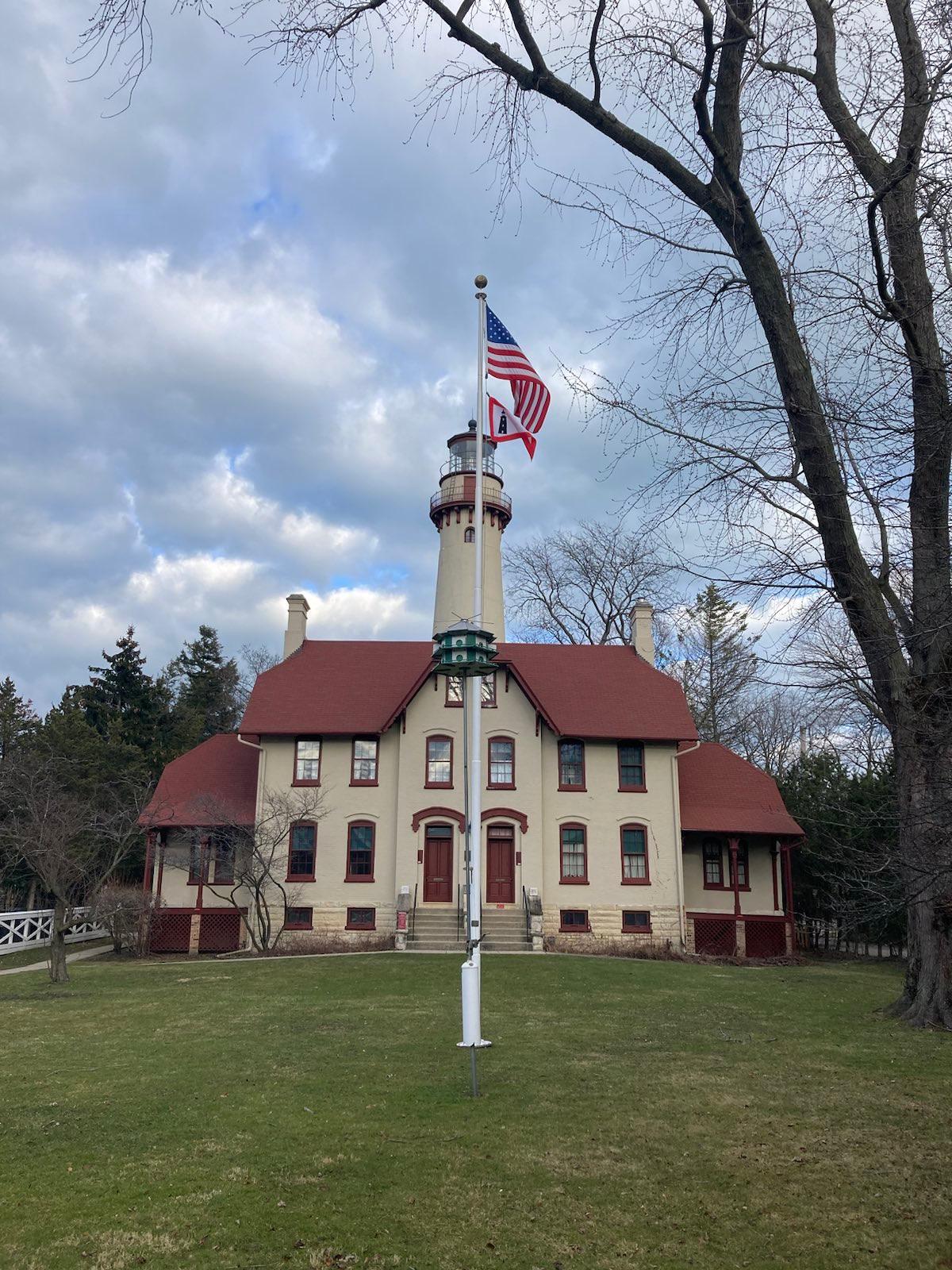
This was my 50th lighthouse, which I first visited with my parents back in 2016. It's funny-- the architect, Poe, is most famous for the many lighthouses he designed on the Great Lakes, so in many ways this is an extremely typical Great Lakes lighthouse. But for whatever reason to me Grosse Point feels like it would fit in well on the Eastern seaboard. 110 feet, a 3rd or 2nd order (by my reckoning, I'm not entirely sure) lens-- maybe I'm crazy. This visit, the site was shut down because of the winter, but if you're ever in the city during the summer months, I would say this is the most important thing to do. It's just a quick ride up the purple line.
Chicago Harbor Light (49) and Chicago Harbor Guidewall Light (51)
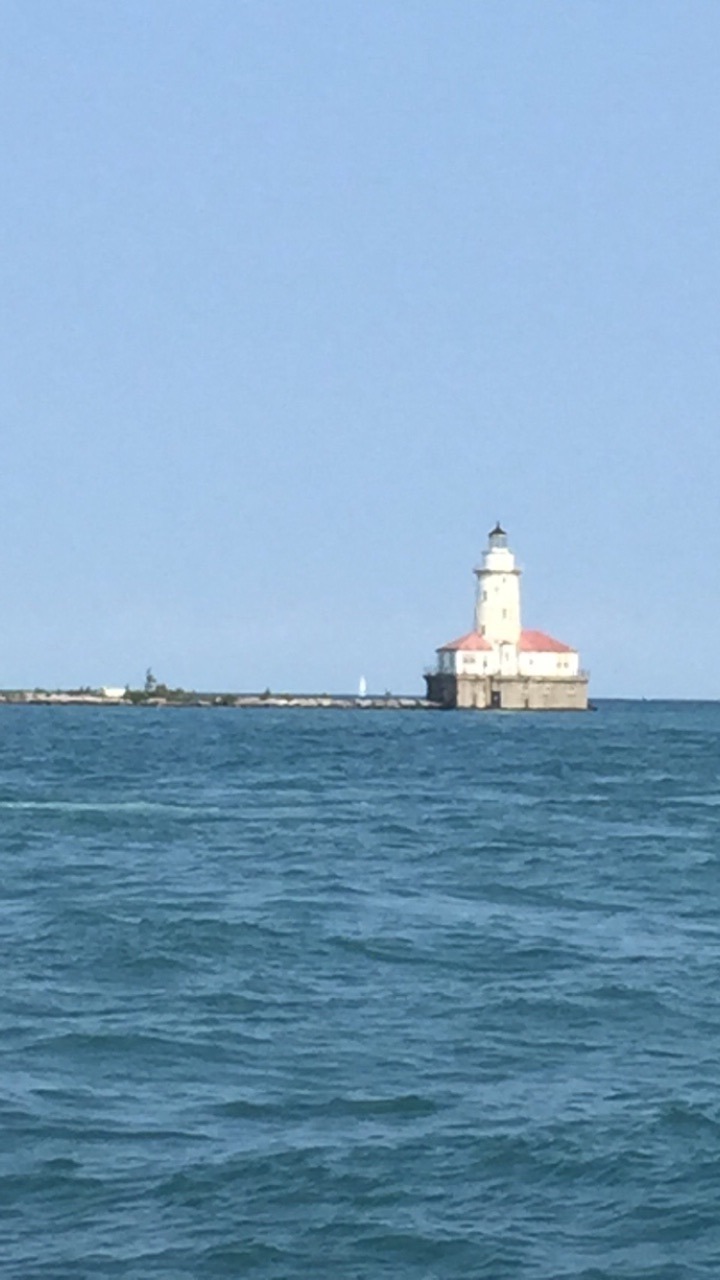
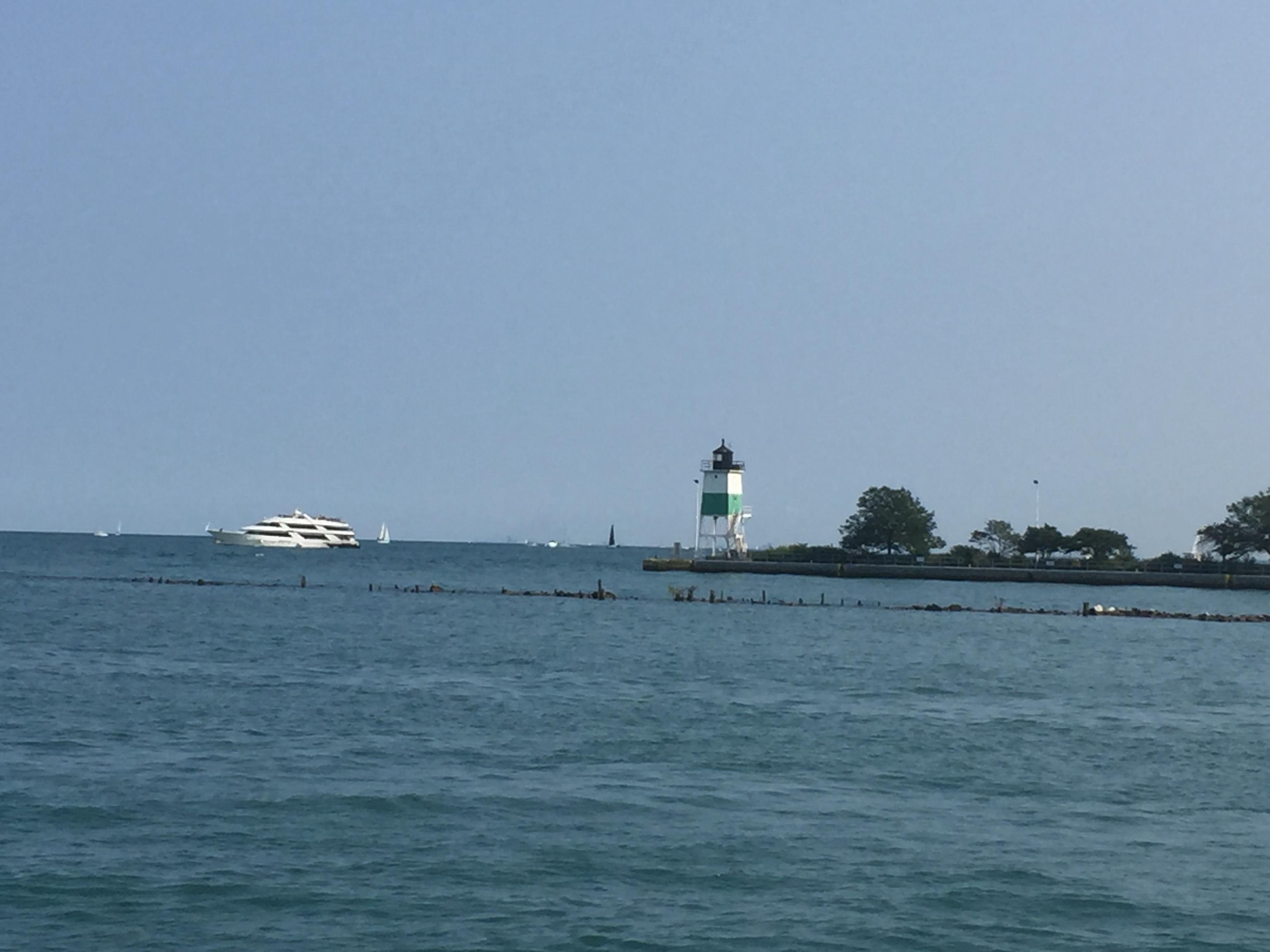
These two lighthouses are both visible from Navy Pier. The first time I went to Navy Pier, I went during high summer, and it was absolutely lovely with the cool lake breeze. The second time I went, it was 10pm in late October, and I don't think I've ever been colder in my life with the absolute gusts blasting down from the UP.
68th Street Crib, Four Mile Crib, Dever Crib (67-69)
I'm grouping these three crib lights together because they all share a very similar character and history, and also I don't have great shots of any of them since we viewed them from the beach after visiting the Near Eastern Cultures museum in the south side. When Chicago started growing, the Chicago river that runs through the city very quickly became too polluted for use, so people turned to the lake. When the shores of the lake became too polluted, the crib system was set up-- simply build tanks of freshwater a few miles offshore and then pump the freshwater into the city. After a few years the USLHS placed a 3rd order Fresnel lens on top of each one and thus they entered the lighthouse system.